Middle East | Turkey | Cappadocia

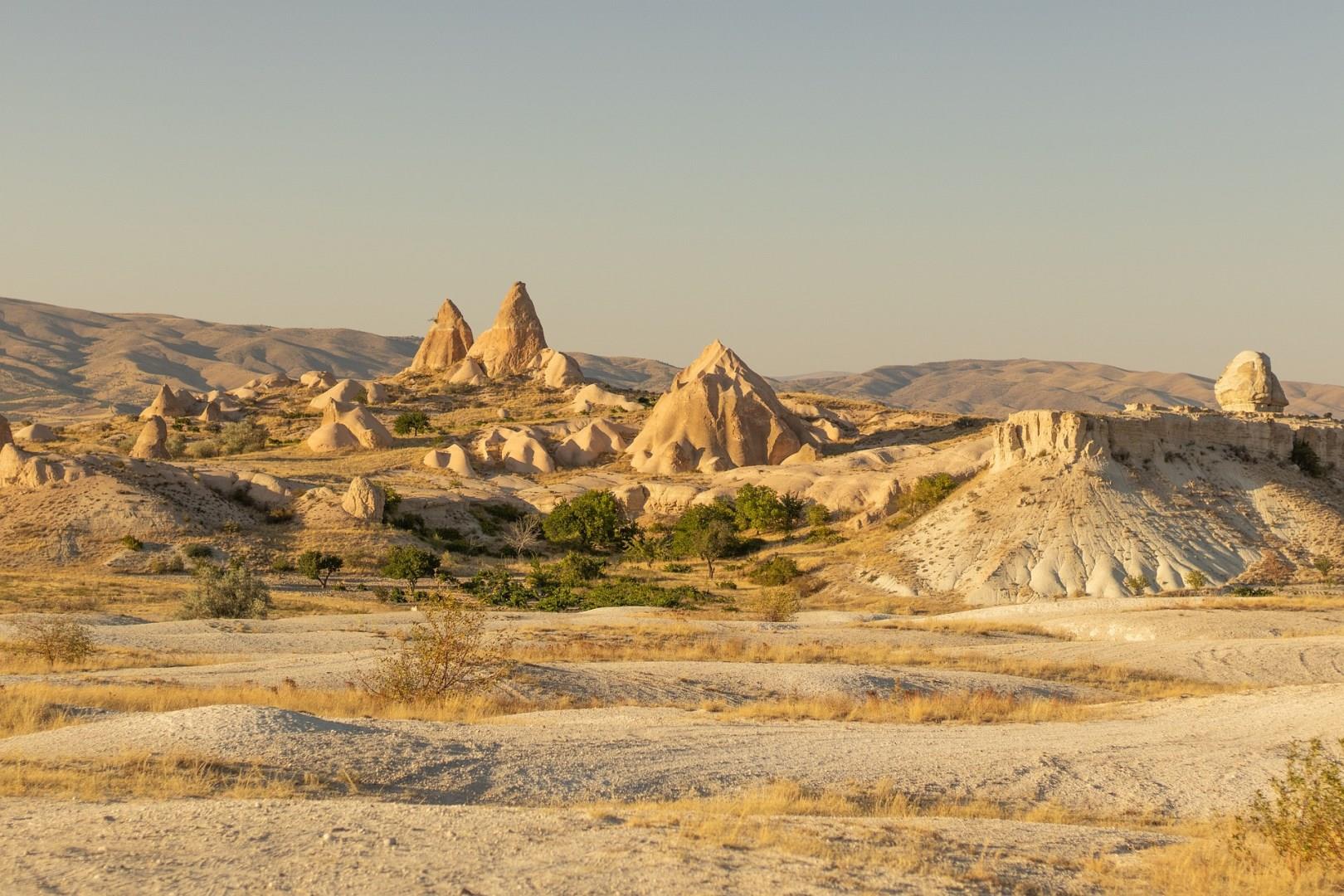


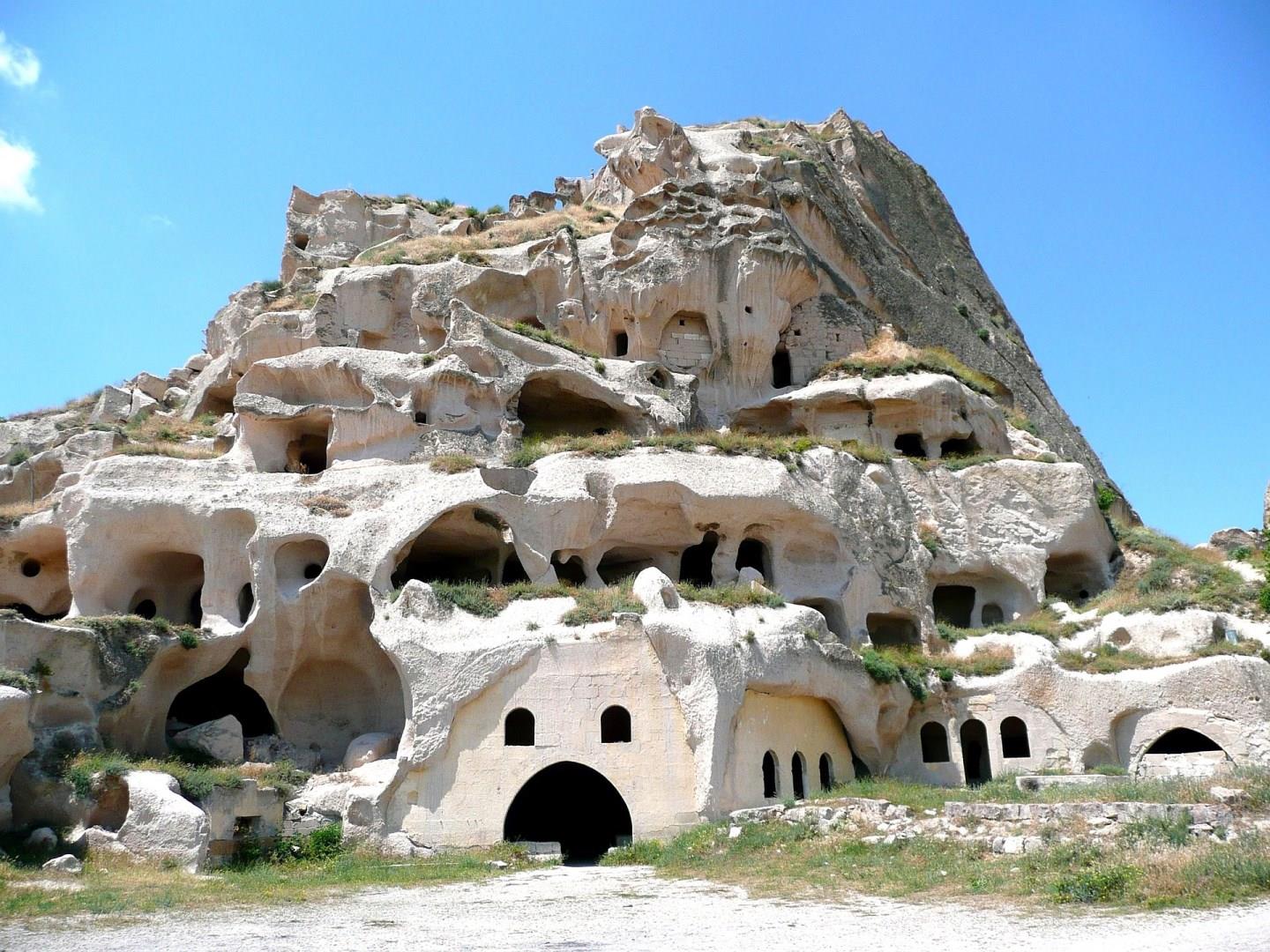

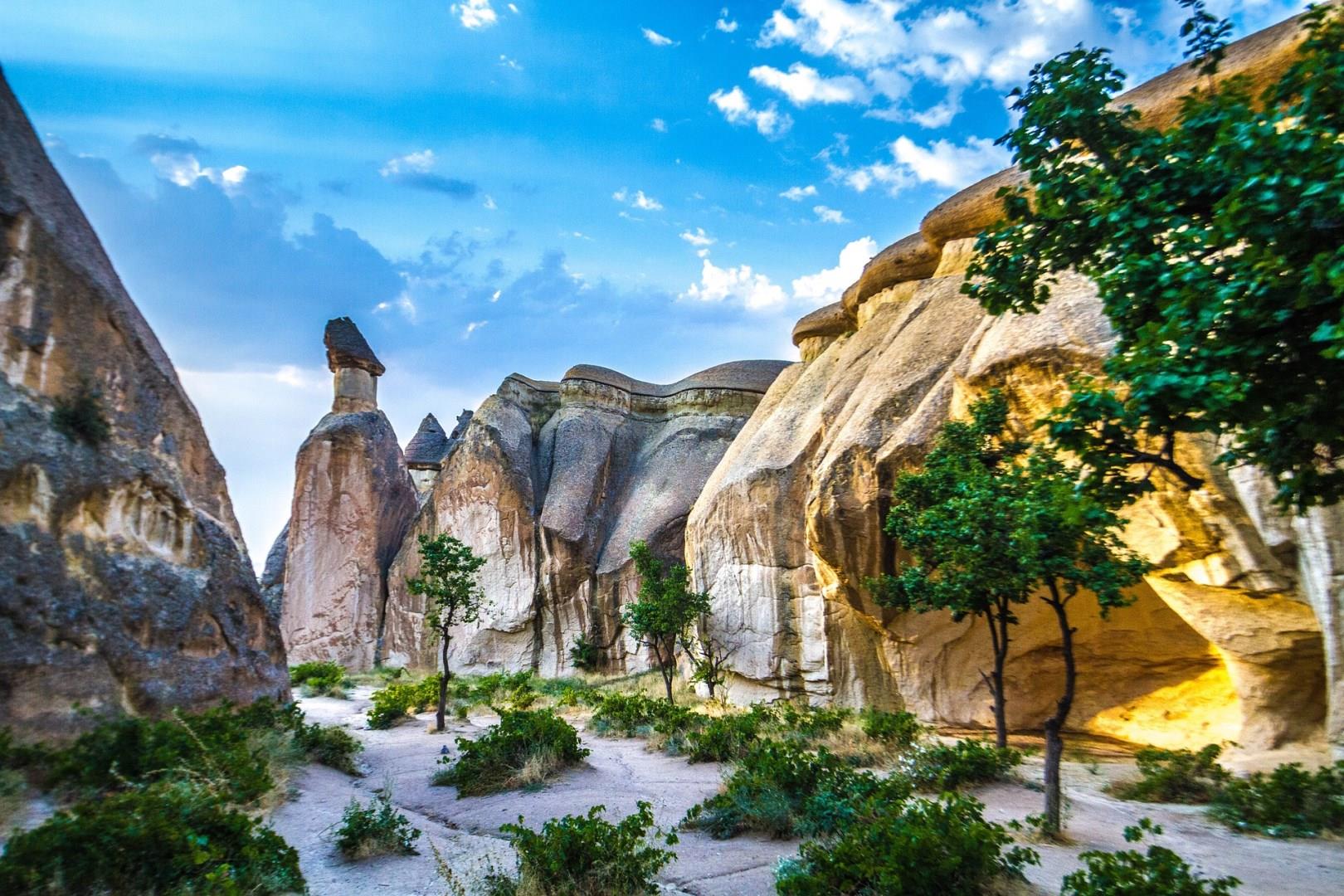

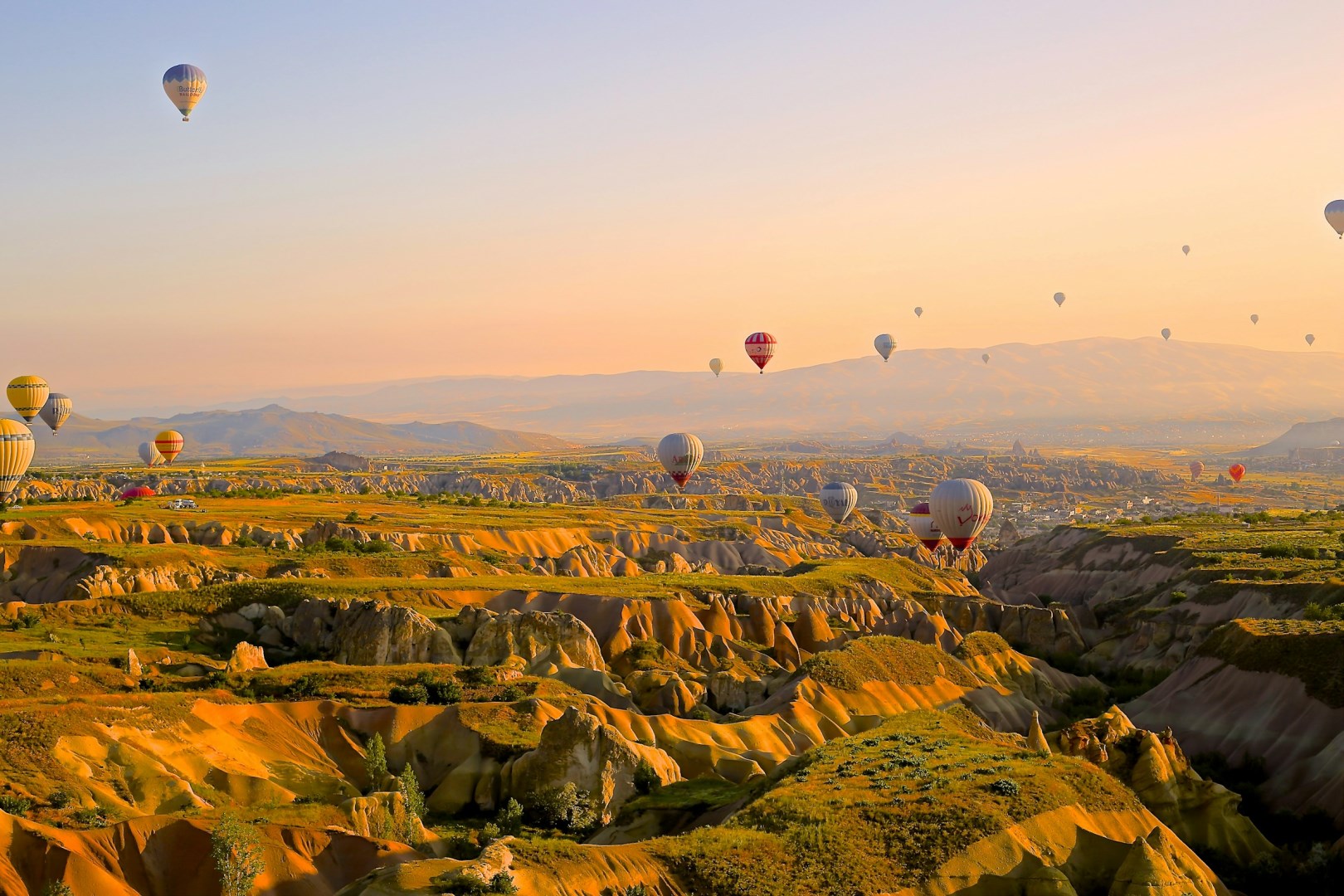
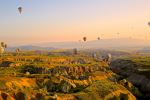
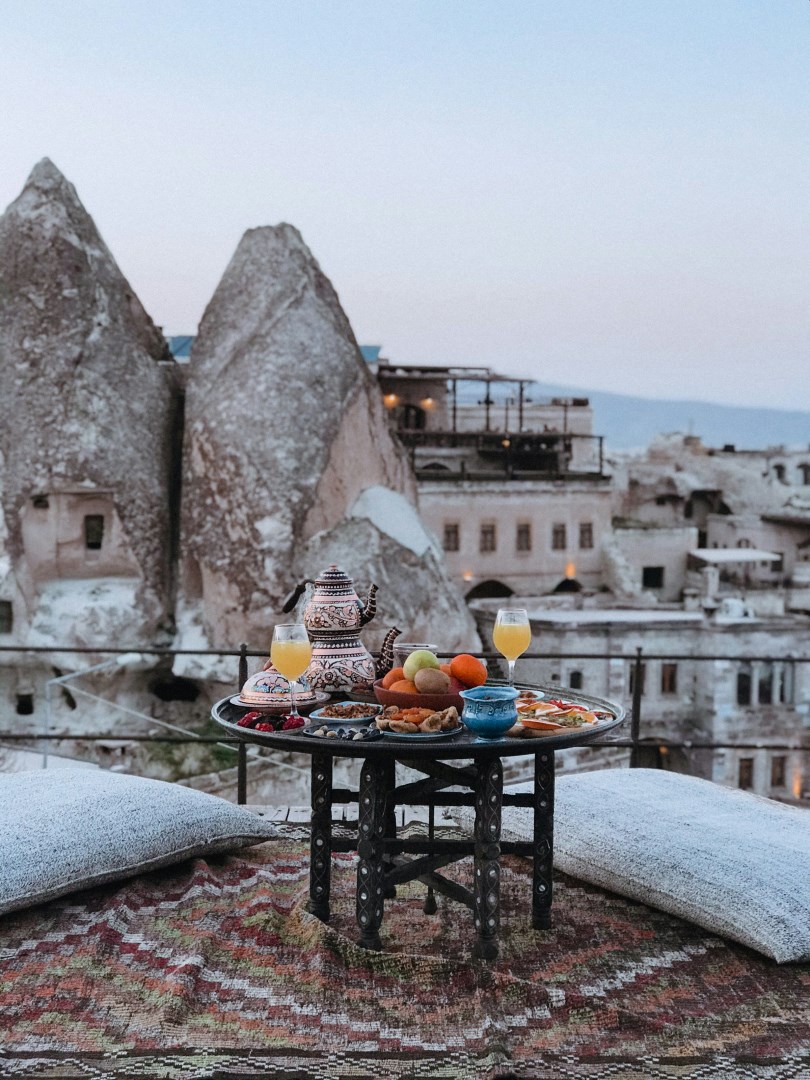
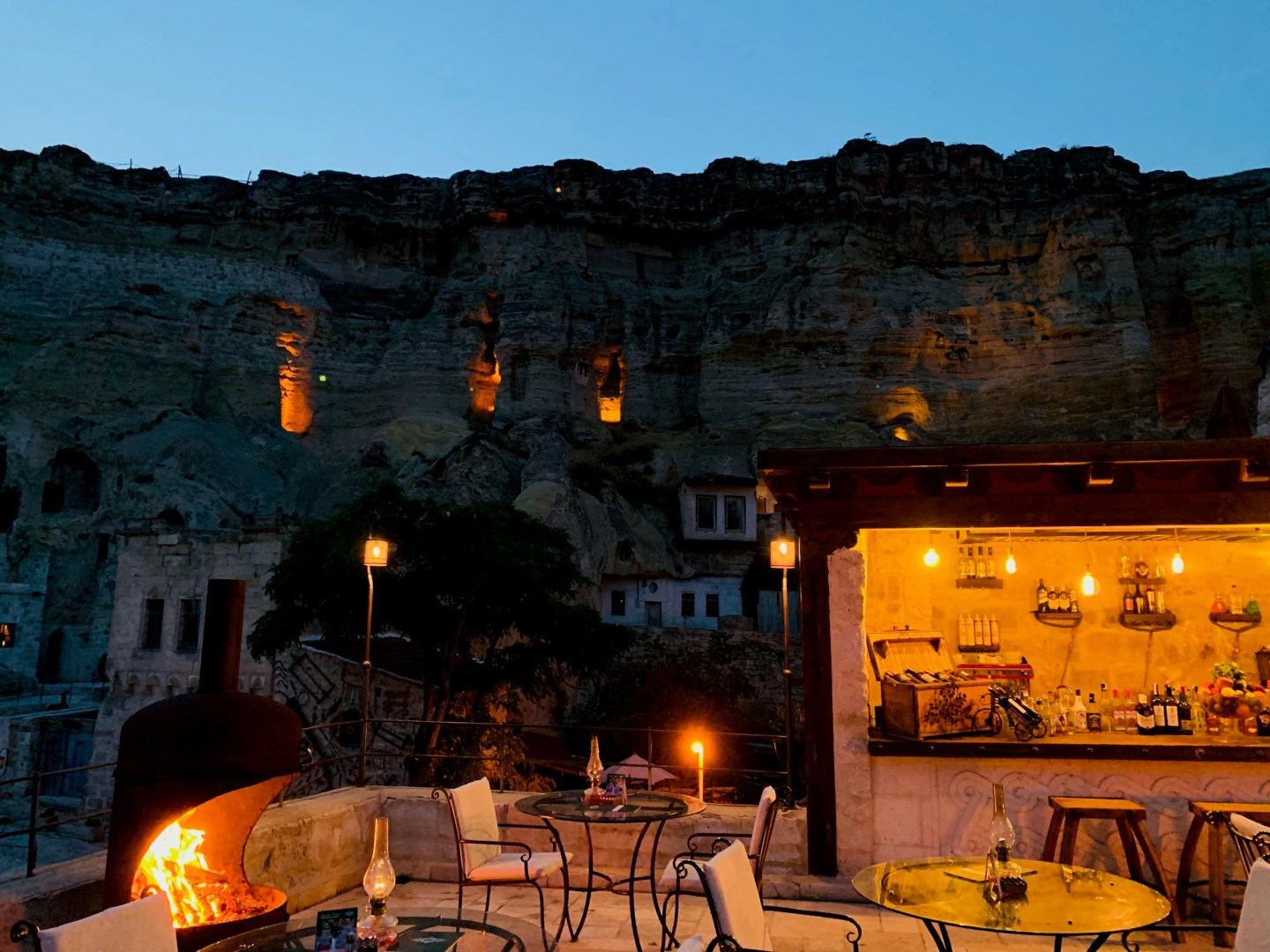
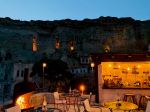

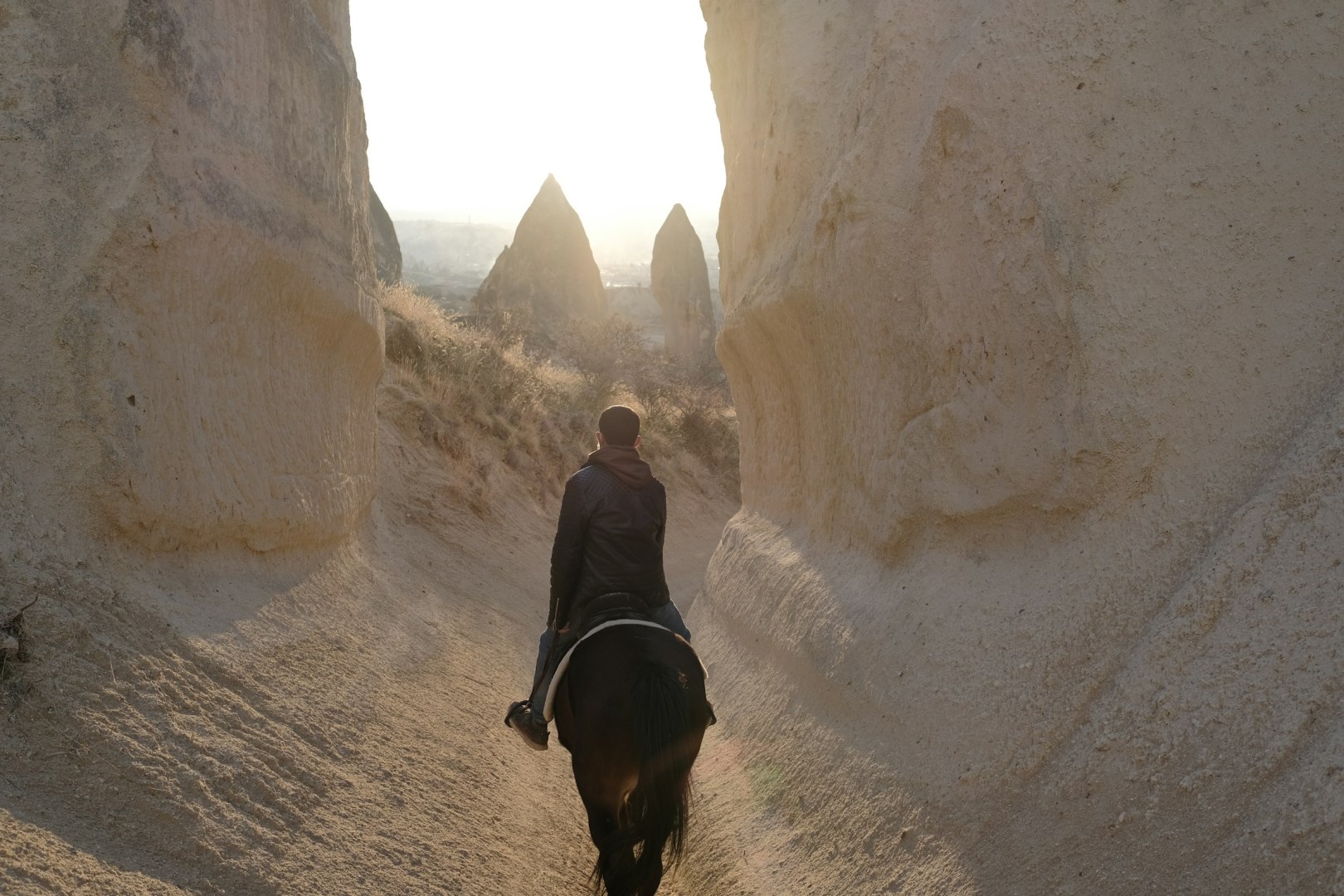
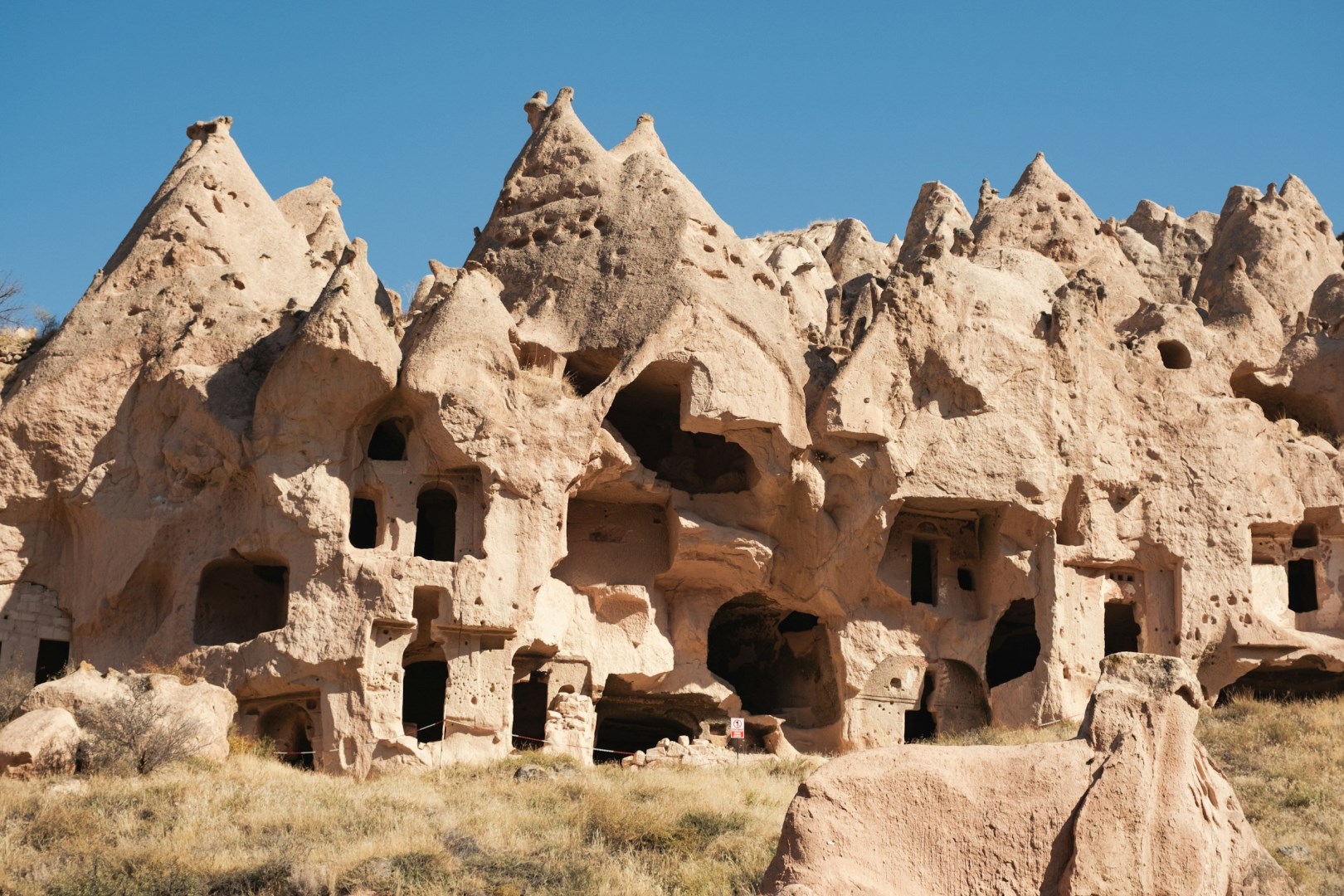
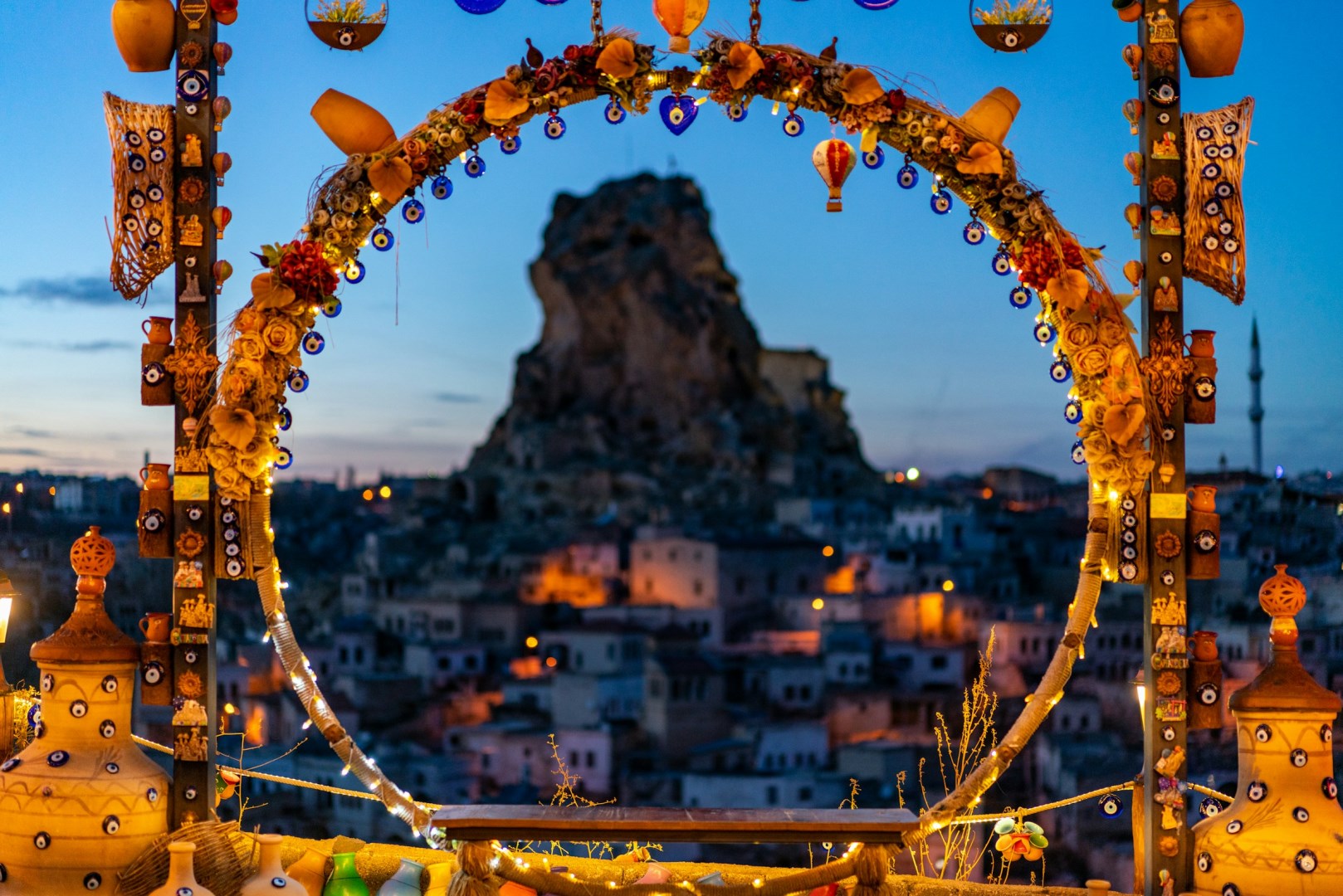

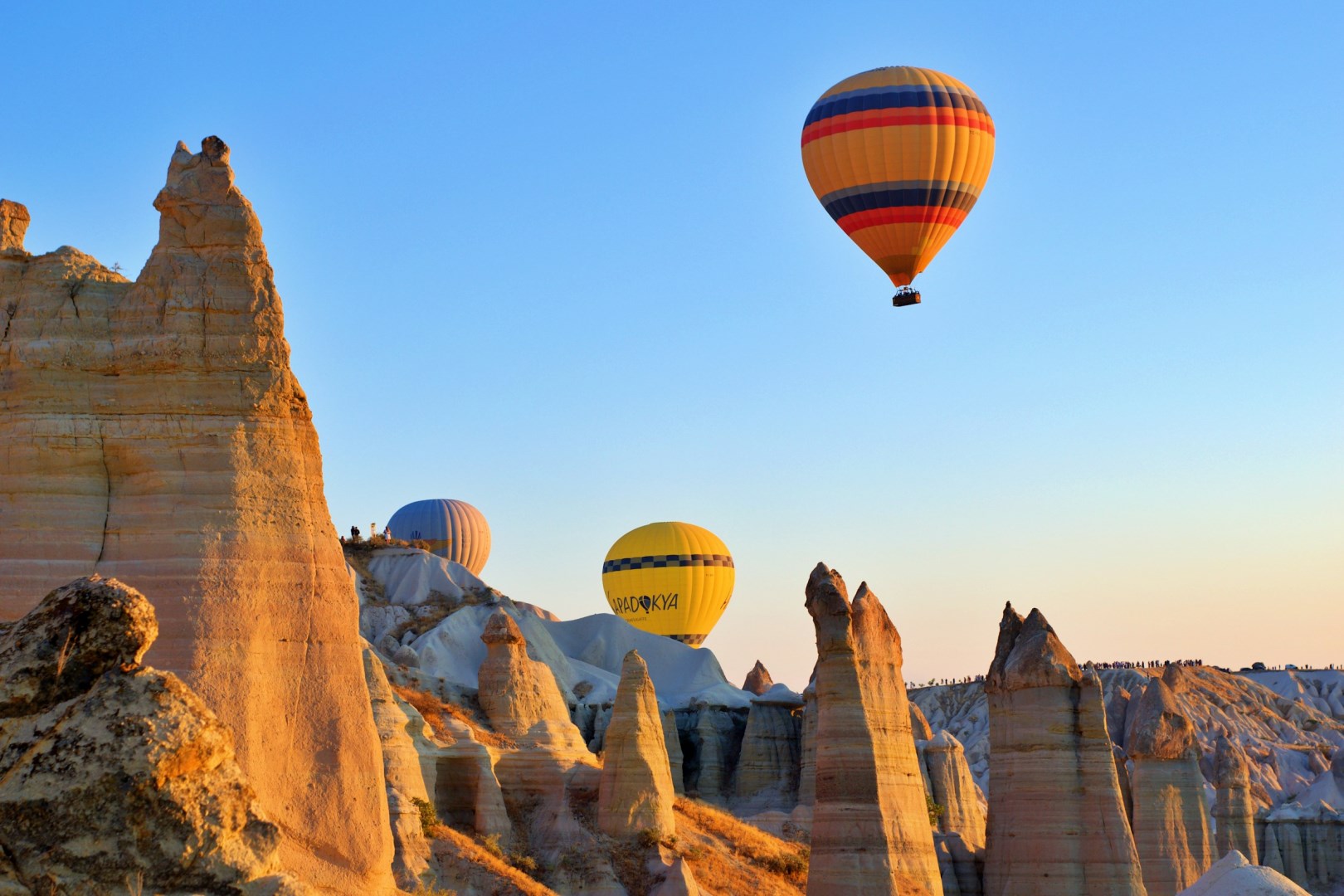

The ancient region of Cappadocia lies in Central Anatolia, between the cities of Nevsehir, Kayseri and Nigde. Here, the traveler finds one of the most fantastic landscapes in the world. Three million years ago, violent eruptions of the volcanoes Mt. Erciyes (3891 m) and Mt. Hasan (3250 m) covered the surrounding plateau with tuff. Wind and weather have eroded the soft volcanic rock with hundreds of strangely shaped pillars, cones and "fairy chimneys", often very tall, and in every shade from pink through yellow to russet browns.
Since the most ancient of times, men have hollowed out dwellings in this soft rock, and here, at the dawn of Christianity, the early Christians made countless cave churches, chapels and monasteries.
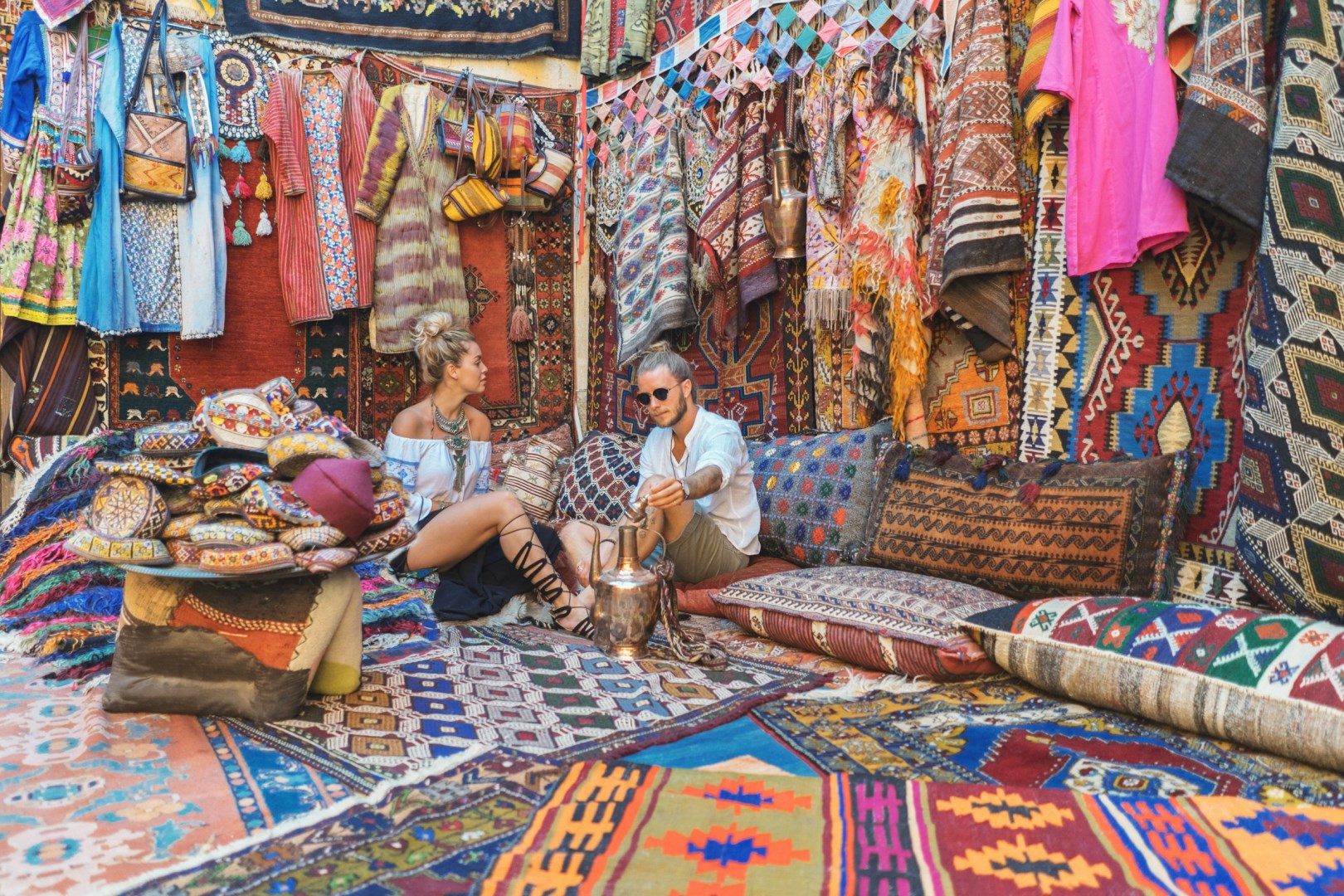
Goreme, in Cappadocia, is an important area for shopping, with its wonderful carpets and kilims, onyx souvenirs, and very fine local wines. It is also a wonderful region for trekking and for photo-safaris.
Learn More About Cappadocia
The fairy chimneys of Cappadocia are tall, cone-shaped rock formations created by the erosion of volcanic tuff across the region of central Türkiye. Their distinctive shapes often consist of a softer rock column capped by a harder basalt or andesite block, allowing the softer material beneath to erode at a different rate. The formations are particularly numerous around Göreme, Paşabağ, Uçhisar, and Zelve, where valleys contain clusters of chimneys alongside cave dwellings, churches, and underground spaces carved into the rock. Some fairy chimneys have been adapted for human use, reflecting Cappadocia’s long tradition of creating homes, religious spaces, and storage areas within its unusual landscape.
Other Popular Destinations in Turkey

